Got a minute to help? take our quick website survey >
Complex post-traumatic stress disorder (complex PTSD)
Experiencing complex post-traumatic stress disorder can have a big impact on your life. But there is treatment and support available.
We're here to help you understand more and find out where to get help.
Receiving the complex PTSD diagnosis was difficult but also life changing. It finally made me feel like my problems were real and I was being heard.
What is complex PTSD?
Complex post-traumatic stress disorder can develop after serious or long-term trauma.
It's a lot like PTSD. But there are some extra symptoms that make it different. You might find it harder to manage your emotions and trust people. Or feel very worthless and guilty.
It's sometimes shortened to 'complex PTSD', 'CPTSD' or 'c-PTSD'.
What are the symptoms of complex PTSD?
Complex PTSD has a lot of the same symptoms as PTSD.
These include:
- Re-living what happened, for example in nightmares or flashbacks
- Avoiding things that remind you of the trauma
- Feeling alert and on edge a lot of the time
- Having other mental health problems – like depression, anxiety or psychosis
You can find out more on our page on symptoms of PTSD.
There are also extra symptoms you need to have for it to become complex PTSD instead of PTSD.
These are:
- Difficulty controlling your emotions. You might get very upset or angry about things that other people don't think are a big deal. You might dissociate if you feel stressed. Or struggle to feel positive emotions at all.
- Low self-worth. You might think you're worthless or damaged. You might feel intense shame or guilt about the trauma that happened to you.
- Difficulties with relationships. You might avoid people entirely. Or feel like you can't trust anyone to be close to you. Or your relationships might be very intense but hard to keep going for a long time.
These symptoms will usually have a big impact on your life. They might cause suicidal feelings. Or you may feel you need to use recreational drugs and alcohol to cope with them.
The symptoms might make it hard to relate to other people. Or to have a job or to study. You might feel like it takes you a lot more effort than other people to make these parts of your life work.
You might start to experience these symptoms right after the trauma happened. Or they might come months or years later.
Emotional flashbacks
Emotional flashbacks are when you feel the emotions you did during your trauma. These emotions might feel very intense.
You might not realise you're having a flashback. This is because the emotions might not come with images or sounds from your trauma. This might make you react to things happening right now as if they were causing these emotions.
I'm easily upset…The slightest unfairness or rejection can shut me down, like my childhood abuses were happening again. I don't want to talk to anyone, and all I can think about is what has happened and that it will happen again
What causes complex PTSD?
Any kind of long term or severe trauma can cause complex PTSD. There's no official list. And not everyone who experiences trauma will get complex PTSD. But some factors make you more likely to develop complex PTSD.
These include if:
- You experienced trauma at an early age
- The trauma lasted for a long time
- You couldn't escape from the trauma
- You've experienced lots of trauma
- You were harmed by someone close to you or someone you trusted
Our pages on trauma have more information on what trauma is. And how it impacts you.
You can get complex PTSD from any type of trauma. But some experiences have been more closely linked to complex PTSD. They include:
- Being abused or neglected as a child
- Long-term domestic violence or abuse
- Witnessing violence or abuse over and over again
- Being forced or manipulated into sex work
- Being an asylum seeker or refugee
- Being tortured, kidnapped or a slave
- Experiences of war
Recognising trauma
You might not be sure if what you've experienced 'counts' as trauma. You might not feel it was 'bad enough'. You might blame yourself for what happened.
Or you might have had bad reactions from others when you tried to talk about your trauma.
This can make it feel harder to ask for help.
But there's no official list of what experiences can cause trauma. It's personal to you.
If you're struggling, you deserve support.
Our pages on trauma have information about how trauma might feel. This might help give you ways to talk about what happened to you.

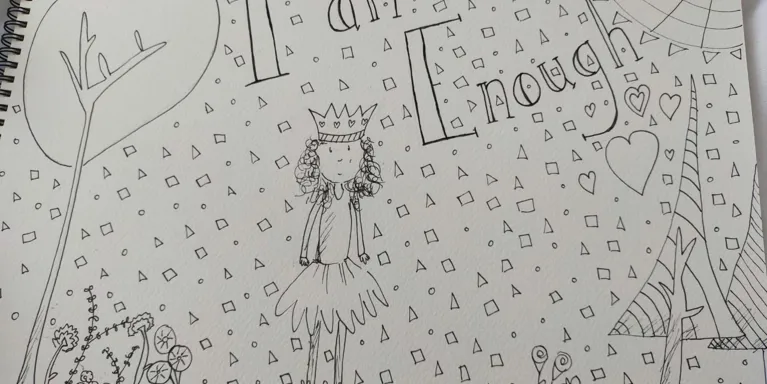
Coping with complex PTSD in the pandemic
My PTSD is rooted in the abuse I received as a teenager, and I have spent most of my adult life running away from it... I have suffered from anxiety and depression as a consequence.
How to get a complex PTSD diagnosis
If you feel you might have complex PTSD, the first step is to talk to a GP. They might ask you some questions about what you've experienced and how it's affected you.
Your GP will usually need to refer you to a specialist mental health team. They can give you an official diagnosis and treatment.
To be diagnosed with complex PTSD you'll need to show that you:
- Have experienced some form of trauma – but you shouldn’t have to talk in detail about it
- Have the symptoms of complex PTSD
- Experience the symptoms of complex PTSD most of the time
They might ask you how the symptoms affect your life, like your relationships or job.
Our page on diagnosis explains more about getting a mental health diagnosis.
To find out more, see our page on how to get help from your GP for your mental health. It includes information to help you prepare for a GP appointment and to open up about your mental health.
It took me a long time to accept within myself that I was abused and that this abuse caused trauma. And even longer for me to accept that I should seek professional help.
Complex PTSD and personality disorder
Some of the symptoms of complex PTSD are similar to some personality disorder symptoms.
In particular, complex PTSD overlaps a lot with borderline personality disorder (BPD).
Because of this, doctors might disagree on what diagnosis to give you. Or you might feel the diagnosis you have doesn't fit your experience.
It's possible for complex PTSD to get misdiagnosed as BPD. It's also possible to have both complex PTSD and BPD.
If you're worried that your diagnosis isn't right, you can discuss it with a mental health professional. It's important to get the right treatment to help you.
See our pages on borderline personality disorder and personality disorder for more information on these diagnoses.
Complex PTSD and autism
Some of the symptoms of complex PTSD are similar to experiences of autism.
This can include:
- Finding change hard to cope with
- Liking or needing structure in your life
- Being sensitive to things like noise or textures
- Finding it hard to relate to other people
- Finding it hard to manage or feel your emotions
Usually if you're autistic, you will have experienced these things since you were a child. If you have complex PTSD, these experiences come after a trauma. Your symptoms will also be linked with the trauma.
But you might not always know when these experiences started. And your complex PTSD might have started in childhood.
You can also have complex PTSD and be autistic.
If you have complex PTSD and you're autistic, it can be hard to know which is behind certain feelings or actions. This can make it hard to know how to best manage them.
Our autism and mental health page has information on autism and how to get support.
What are the treatments for complex PTSD?
Complex PTSD can be hard to manage. But there is treatment and support to help you.
In the UK, most treatments for complex PTSD are the same as treatments for PTSD.
These treatments include trauma-focused cognitive behavioural therapy and eye movement desensitisation and reprocessing (EMDR) therapy.
But these treatments need changes to make them work better for complex PTSD.
These changes can include:
- Having more sessions in total
- Letting sessions be longer than usual
- Plans for what extra support might be needed at the end of treatment
Health professionals should offer you support for other problems you experience too. Like support with drug and alcohol use. Or telling you about organisations that can help with money problems.
See our treatment for PTSD page for more about treatments.
A psychologist helped me talk through my feelings and open up the trauma I had buried in some mental bottom drawer… By talking to him a space opened up within me that enabled me to heal and find peace.
How to get treatment for complex PTSD
You can get treatment for complex PTSD from the NHS. But the treatment you can get will depend on what's available in your local area.
Some areas have specialist NHS services for complex trauma. But not everywhere does. You normally need a referral from a health professional. You can speak to a GP about the treatments in your area. And how to access them.
You can also get treatment privately. Private therapy might have shorter waiting times than the NHS. And it might be easier to get treatment for longer if you need it. But it can be expensive.
Our page on how to find therapy or counselling has more information.
We also have information on what to do if your GP does not help you. And information on how to complain about health or social care. This might be helpful if you're finding it hard to get the treatment you need.
I learnt how to advocate for myself and eventually got myself into a position where I am finally getting the help I know I need.
On a waiting list?
Before getting therapy or counselling on the NHS, you might need to join a waiting list. This can feel like a difficult time. Read our tips on how to cope.
Other support for complex PTSD
There are other ways to get support when your complex PTSD symptoms are hard to manage. And there are ways you can support yourself too.
- Supporting yourself. Our self-care for PTSD page has tips on how to look after yourself when you have complex PTSD.
- Helplines. If you need someone to talk to, there are helplines you can call. Our mental health helplines page lists some you could contact. And our useful contacts for PTSD page lists organisations that can give information and support.
- Peer support. Peer support helps you connect with people that have similar experiences. They might have gone through a similar trauma. Or have similar symptoms. Our peer support groups page has more information.
- Relationship support. Your experience of trauma might make it hard to manage relationships. Charities like Relate and Family Lives can offer support. You might also be able to get support from your local council.
- Support for drugs and alcohol. You might feel you need to use drugs and alcohol to cope with the symptoms of complex PTSD. But this can be harmful. And make your symptoms worse. Our recreational drugs, alcohol and addiction page has information on support available.
We also have a page on how to help someone with PTSD for friends and family. It has ideas on how to support someone who is struggling.
See more on post-traumatic stress disorder (PTSD):
–Complex post-traumatic stress disorder (complex-PTSD)
Eye movement desensitisation and reprocessing (EMDR) therapy
Published: February 2026
Next review planned: February 2029
References and bibliography available on request.
If you want to reproduce this content, see our permissions and licensing page.
A-Z of mental health
Browse all topics. Conditions, treatments, coping tips, support services, legal rights and more.
For young people
Are you under 18? We have more mental health information, tips and videos just for you. Take a look.
Mind's online shop
Order packs of printed information booklets, leaflets, cards, gifts and more.


