Call us on 0300 123 3393 for mental health information.
“I was sleeping rough and eating out of bins after a psychotic breakdown – and now I’ve completed my PhD.”
Wednesday, 03 June 2026
Karishmeh
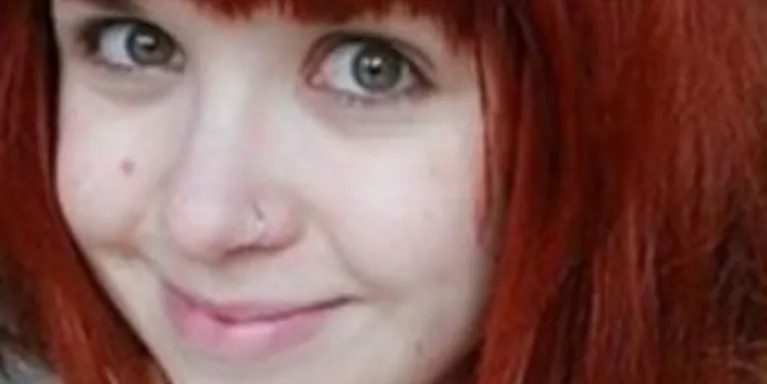
Karishmeh, who has bipolar disorder, shares her recovery journey thanks to treatment and a devoted husband.
In 2013, my husband Stephen and I were living in Dublin, Ireland, where I had just begun studying for a PhD in music. Originally from Pune (Poo-nay) in India, I had worked as a piano teacher, classical pianist and radio presenter in Dublin and London before returning to university to study music as a postgraduate student.
This was my life’s ambition, but in June of that year, out of the blue I suffered a catastrophic psychotic episode, leading to hospitalisation. The warning signs had been there (loss of sleep, angry and irritable, teary, etc), but because neither of us knew what was going on, we didn't have time to prepare. The wheels came off very quickly, and it was a huge shock. It felt like a forest fire.
I received the diagnosis of Type 1 bipolar disorder while in hospital for three months, where I was treated for mania, psychosis and depression through a combination of a mood stabiliser and an anti-psychotic.
Stephen, who is Irish was in a state of shock, and he spent weeks trying to process what had happened. My Iranian parents in India and my brother in Dublin disagreed with my husband about me being treated with medication: they felt I didn’t need treatment, leading to many disagreements between them and my husband during an already stressful time for him.
"I had a severe manic episode leading to an angry outburst on Twitter. The university decided it was best for me to leave the programme."
Over the next few years, I was hospitalised again and again, and struggled to find the right medication. I kept relapsing and each relapse brought with it terrible professional losses.
After managing to reroute my music PhD to a top UK university, I had a severe manic episode leading to an angry outburst on Twitter. The university decided it was best for me to leave the programme. Having worked so hard to receive a fully funded PhD scholarship, it was devastating for me to have to give it up after the illness had caused me to act completely out of character.
The NHS psychiatrists and care team pushed back against the university’s decision to evict me, but the faculty members stood firm. Had it not been for my husband, who provided me with support and love during this difficult time, I would not be here, telling my story.
Little did we know the worst was still to come. In 2018, after we had managed to steady the ship somewhat, I ran away from home after suffering another manic episode. I turned completely against Stephen (as I tended to do in previous manic episodes) and booked the first flight to London.
"Moving from mania to psychosis, I saw everything around me (cars, people, shops) as supersized. I ate leftovers from bins, fast food chains and cafes."
Even though he tried his best to bring me home, liaising with mental health services and the police in London, I was experiencing psychosis, and sleeping rough in Hyde Park. With no smartphone or money, I spent six months in this state of mental illness on the streets of London. As was the case with previous episodes, my first instinct was to cut Stephen out completely. As I became more unwell, I forgot who I was, or that I had a husband! When all my belongings got stolen, he couldn’t keep track of me at all as I stopped posting selfies from the streets on social media. I basically disappeared off the face of the earth. For most of the next six months, I was missing, leaving him worried, frightened and unable to get me the help I needed.
Moving from mania to psychosis, I saw everything around me (cars, people, shops) as supersized. I ate leftovers from bins, fast food chains and cafes; the Muslim community of Edgware Road occasionally dropped off plates of food for me as I sat in a bus shelter nearby.
Occasionally, I’d venture into a posh hotel to use the bathroom facilities; a few times I was offered a cup of tea and a slice of cake. McDonald’s and Pret let me stay inside for hours at a time, while Starbucks allowed me to drink the free milk left on the counter for customers. As summer turned to autumn, and autumn turned to winter, I experienced delusion upon delusion, including having an alter-ego called Gotam and being a hacker for the Anonymous Group.
"After I’d been missing eight months, I finally contacted the services myself, via a 999 call which I made while freezing and desperate."
Through this nightmare, while I was missing from home, and homeless on the streets of London, my husband had no choice but to keep going. While I was sleeping rough, he stayed put in a rental house in Castlebar, County Mayo, in the West of Ireland where he’s from, rescuing a colony of feral cats in the process. He built little houses for them and ensured they were well fed and cared for.
After I’d been missing 8 months I finally contacted the services myself, via a 999 call which I made while freezing and desperate. I spent five months in hospital in London, in the care of the NHS, while my husband kept things ticking over in Ireland.
"Without my husband’s constant care and love, I would never have the courage to talk to doctors. In 2021, I finally completed my PhD."
I was finally reunited with my husband, but my medication left me feeling extremely depressed, even suicidal. It wasn’t until I switched to an antipsychotic that suited me better that my husband and I finally experienced normal life again, by which point the world was turned upside down due to the Covid-19 pandemic
Without my husband’s constant care and love, I would never have the courage to talk to doctors, to trial and error medication, and to persevere with treatment. In 2021, I finally completed my PhD, with my husband attending my graduation to cheer me on.
Today, only three of the five rescued cats are with us (Gemma, Phil and Decky), with Babog and Teddy having passed. Caring for the cats has given me a renewed sense of purpose through very difficult times, and rebuilding a life with my husband has provided me with a sense of security and stability.
I haven’t been back in hospital since the stay in London in 2019. I’m kept well with a combination of mood stabilisers, antipsychotics and therapies (CBT, and art and writing therapy). Ultimately, my husband is my biggest cheerleader, through every crisis. Navigating bipolar disorder together has not been easy for us, but I hope that my story inspires others (especially those who share my ethnicity and cultural background) to keep going with treatment, even through the bad times.
Related Topics


Information and support
When you’re living with a mental health problem, or supporting someone who is, having access to the right information - about a condition, treatment options, or practical issues - is vital. Visit our information pages to find out more.
Share your story with others
Blogs and stories can show that people with mental health problems are cared about, understood and listened to. We can use it to challenge the status quo and change attitudes.